JFP STUDIOS / EDITORIAL CASE STUDY

14 Years of Relationships Across Different Worlds. What Happens When They Meet?

An editorial photography archive met fourteen years of relationships. The result was a cultural exhibition built to bring people from different worlds together. It was also built to give those connections a life after opening night.
Cultural media property · Photography · Relationship development

JFP Studios · JFP STUDIOS CASE STUDY

At a glance

The challenge

What happens when an existing network is given a reason to meet?

What we did

Create the gathering. Curate the connections. Continue the conversation.

The result

Art made the introductions. Relationships created the outcomes.

01 / THE BUSINESS CONTEXT

The context behind the transformation.

Three valuable assets already existed, but they had never been brought together:

  • The artwork: six editorial photo shoots made between 2020 and 2022. Each had only been seen on its own.
  • The relationships: fourteen years of connections across finance, real estate, entrepreneurship and the creative community. Most of them were kept up one to one.
  • The studio: JFP had built brands and media for clients. It had not yet built an original cultural property of its own.

An exhibition idea first sketched in 2018 gave JFP a reason to connect all three.

The network already existed. What was missing was a reason to connect.

02 / THE CHALLENGE

What happens when an existing network is given a reason to meet?

The business goal underneath it all shaped what JFP Studios recommended and built.

THE CHALLENGE IN BRIEF

  • Six editorial photographic stories existed separately in JFP's archive.
  • Fourteen years of relationships across professional communities rarely shared the same room.
  • The studio wanted to activate those assets without turning a cultural experience into a sales pitch.

This could not feel like a networking mixer disguised as art.

The exhibition had to stand on its own as a meaningful cultural experience. It also had to make room, on purpose, for introductions across industries.

The relationships could not end when the gallery closed, either. JFP needed to capture interest and make thoughtful follow-up possible.

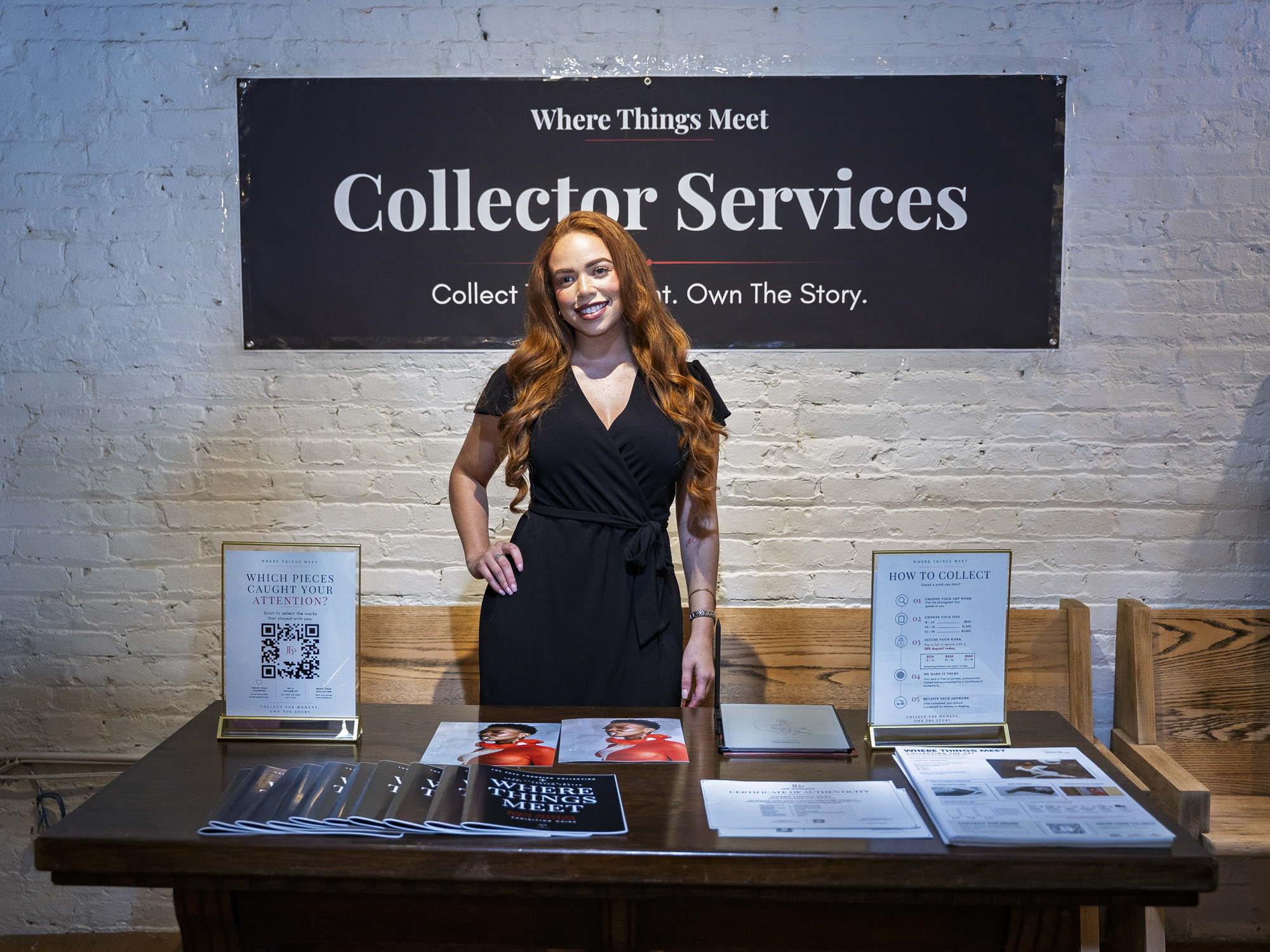
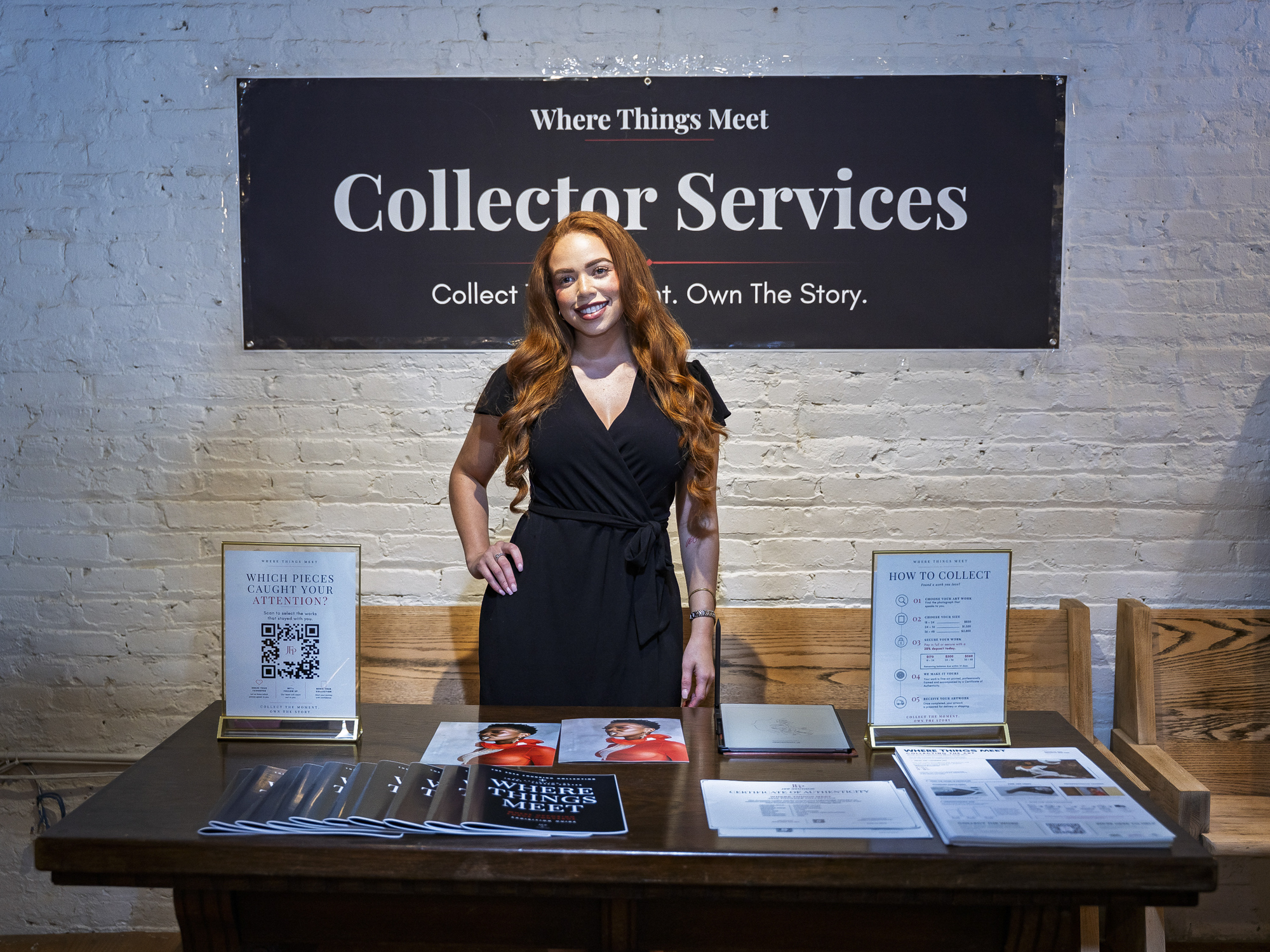
Where Things Meet collector materials on a table: a How to Collect sign, exhibition guides and an artwork inquiry sheet with a QR code.
Collector materials explained how to collect a print, with a QR code for artwork inquiries.

03 / THE CREATIVE RESPONSE

Create the gathering. Curate the connections. Continue the conversation.

We designed the exhibition and the relationship experience at the same time. Every chapter, invitation and follow-up had a purpose.

WHAT WE DID / KEY DECISIONS

  • Build the brand: define the exhibition's central thesis, wordmark, invitation language and visual identity.
  • Curate the experience: organize six photographic bodies of work and a personal closing chapter into one coherent exhibition.
  • Curate the audience: invite collectors, cross-industry connectors, mentors and collaborators through purposeful outreach.
  • Continue the relationships: use the gallery, collector conversations and follow-up to extend the platform beyond opening night.

Where Things Meet was built around one idea: opposing forces can create something new when they come together. JFP sorted its editorial archive into six photo chapters. A seventh chapter, The Evolution, told the photographer's own story.
01 / Turn the archive into a cultural experience

  • Editorial storytelling: organize the work into chapters, held together by one artistic thesis.
  • Visual identity and installation: develop the exhibition brand, the printed guide and the way the work was shown in the room.
  • Collector experience: create a digital gallery and a way to handle questions about the artwork.
A host at the Where Things Meet Collector Services table with exhibition guides, QR code signs and How to Collect instructions.
The Collector Services table: guides, How to Collect instructions and QR codes for artwork inquiries.

02 / Design for relationship activation

  • Reconnect: personally invite people JFP already knew to something meaningful.
  • Mobilize trust: extend the invitation through referrals from people already in the network.
  • Curate the room: bring people from banking, real estate, government, nonprofit, entrepreneurship and creative work into one shared space.
  • Prepare introductions: brief hosts on key guests, and keep the experience cultural.
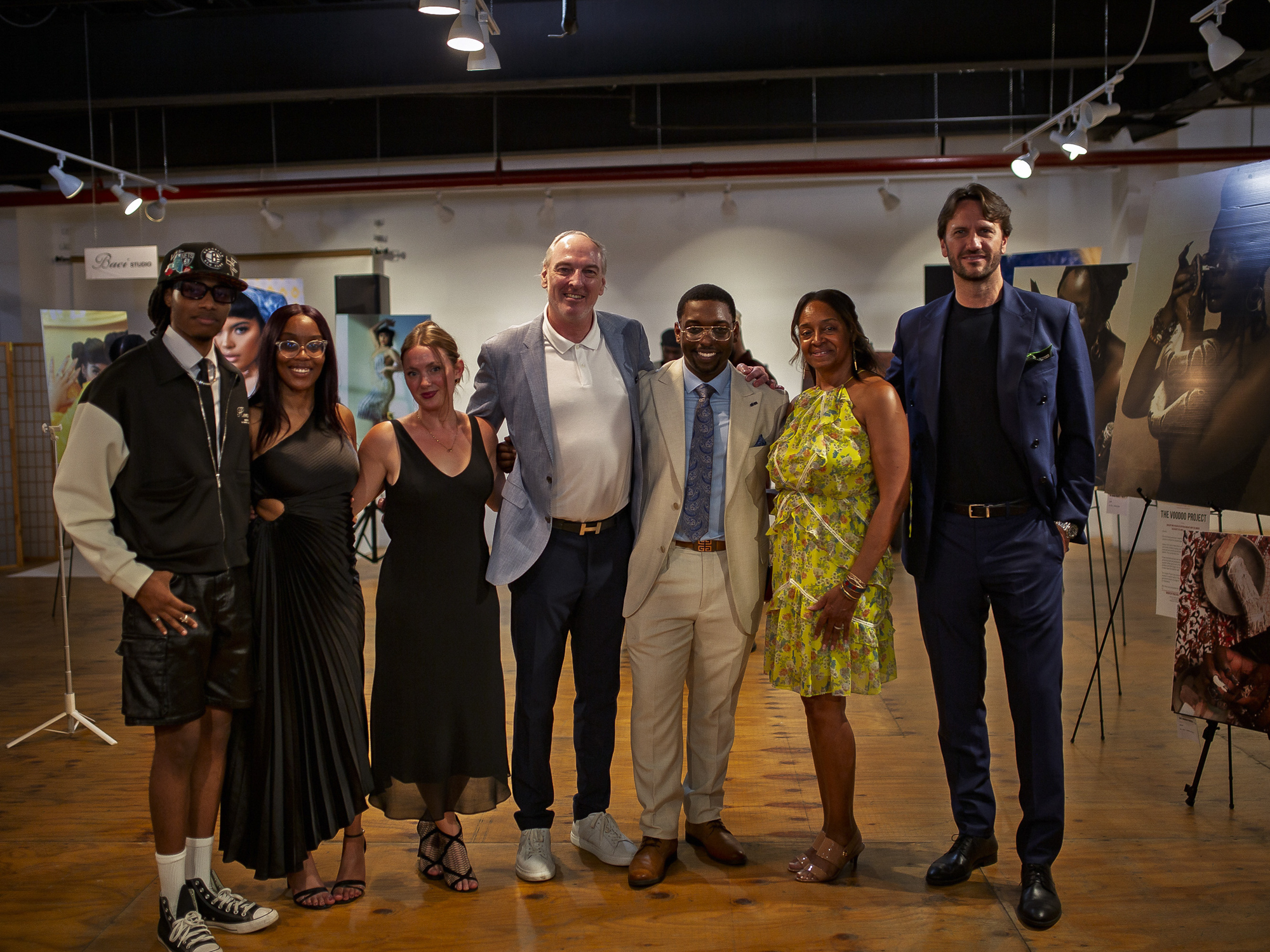
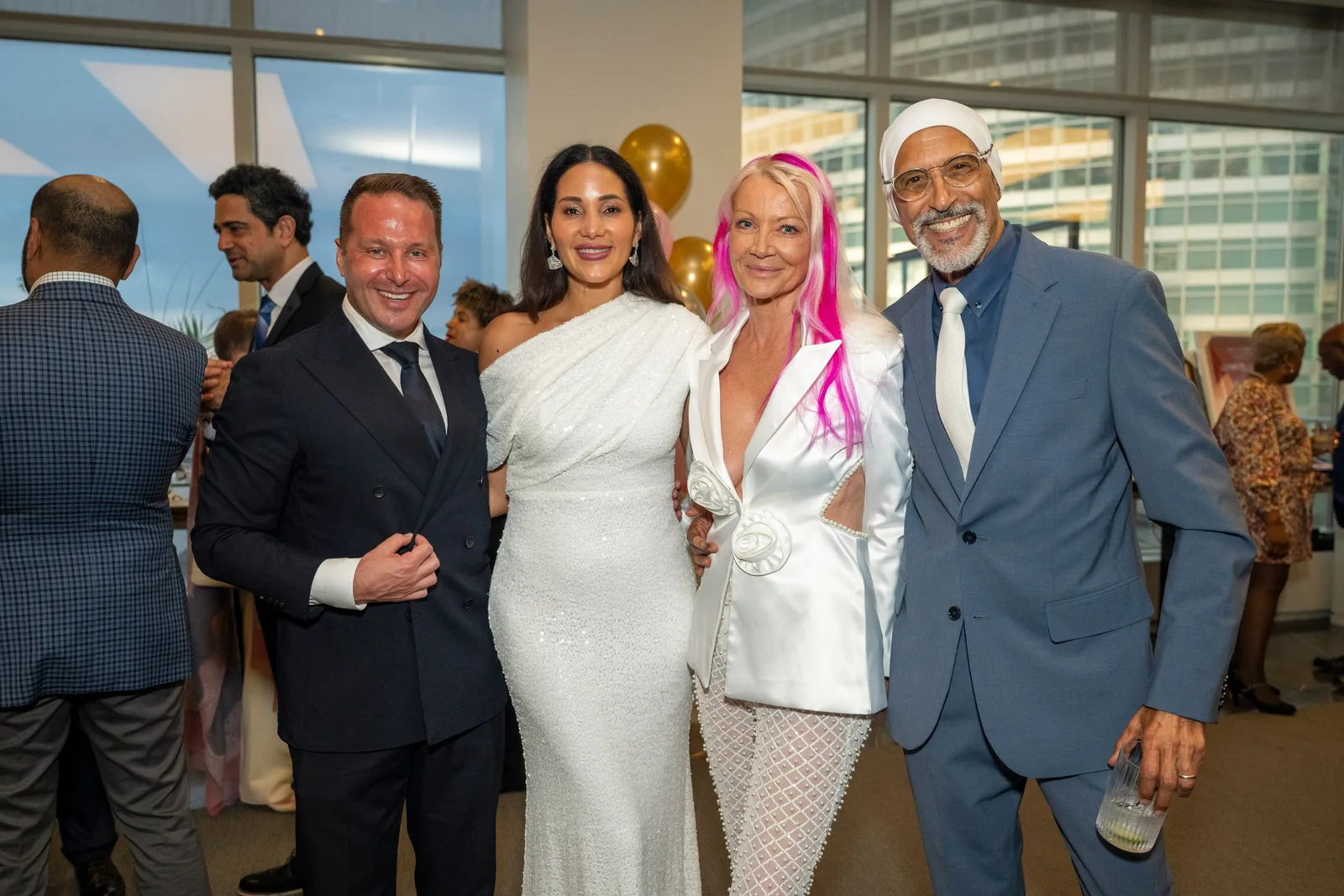
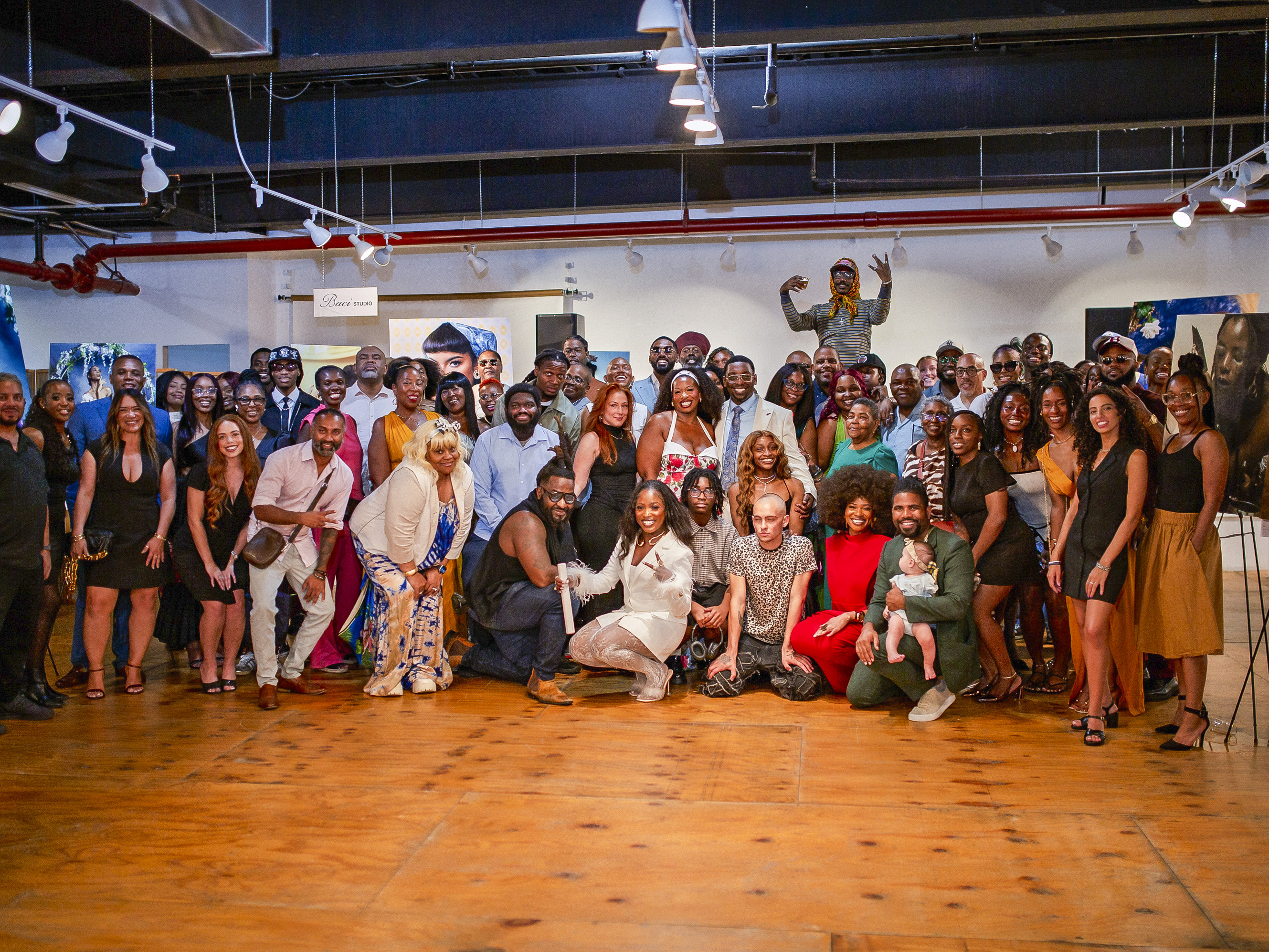
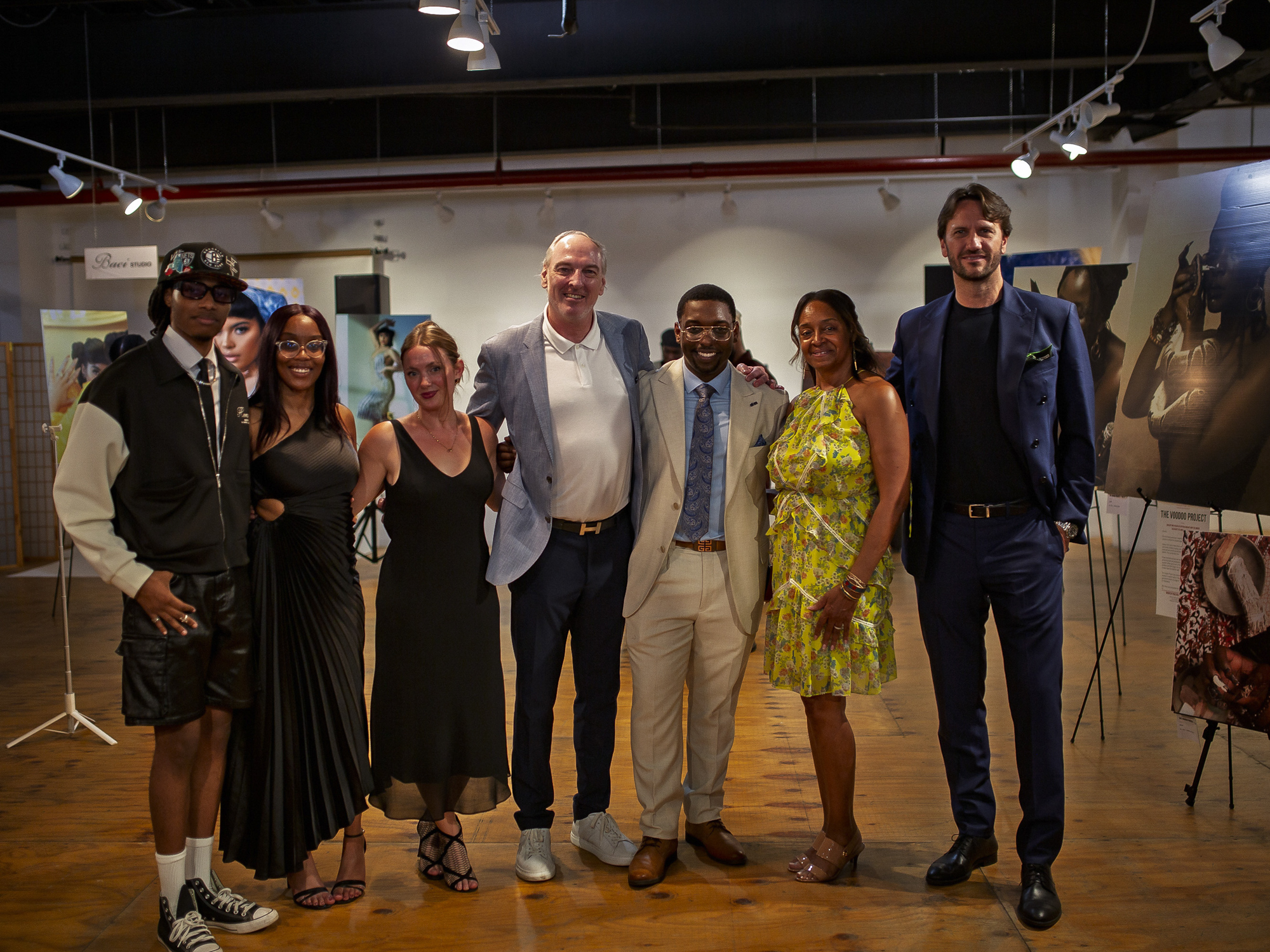
Guests from different professional worlds stand together in the Where Things Meet exhibition space.
Guests from different professional worlds at the exhibition.

03 / Build the audience and follow-up system

  • Capture audience intelligence: use registration to learn each guest's role, reasons for coming, referral source and preferred way to stay in touch.
  • Document the experience: produce photos and documentary coverage to keep telling the story after the event.
  • Continue the conversation: share the gallery, gather feedback and find the right follow-up opportunities.

62 days from build to opening

In 62 days, JFP brought every part of the exhibition together:

  • The exhibition identity
  • The installation
  • The digital gallery
  • The experience for collectors
  • The invitation process
  • Hospitality partners
  • The production program

What the first edition revealed: JFP needed a better way to track introductions and a clear owner for each follow-up conversation. The platform worked as a first test, and it is not yet a proven, repeatable model.

THE BRAND PLATFORM / STRATEGY & IDENTITY

We gave an archive, an audience and an idea one identity.

Where Things Meet began with six photographic bodies of work and a larger thesis: meaning emerges when different forces meet. The challenge was to turn that idea into one clear cultural property that could last beyond a single exhibition.

01 / Articulate the organizing idea

  • Positioning: an editorial photography exhibition about identity, memory, culture, tension and becoming.
  • Verbal identity: Where Things Meet with the line “Where Opposing Forces Converge.”
  • Exhibition architecture: each body of work became its own chapter, and The Evolution framed the photographer's personal journey.

02 / Build a recognizable visual identity

  • Wordmark: a bold, stacked, high-contrast serif treatment that works in black and white.
  • Creative direction: editorial type and restrained graphic framing that kept the artwork as the main focus. The same look carried across invitations and print pieces.
  • Applications: logo concepts, invite artwork and promotional posters. It also covered chapter stories, collection materials and mockups of the exhibition.

03 / Design the relationships as deliberately as the room

The planning system named four distinct communities to bring together:

  • People interested in collecting the work
  • Strategic guests and connectors
  • Mentors
  • Creative collaborators

These were planning categories, not proof of attendance or sales.

That thinking shaped the invitation strategy and the experience around the art. The goal was a credible cultural event where relationships could grow in a natural way.

Why it matters: the brand tied together images that would otherwise stand alone, and it made the purpose easy to grasp right away. It also gave JFP Studios a cultural platform people can recognize, one it can keep building beyond opening night.

IDENTITY / WORDMARK
COLOR & TYPOGRAPHY / APPLIED BRAND SYSTEM

05 / THE RESULTS

Art made the introductions. Relationships created the outcomes.

92

Exhibition registrations

Recorded in the September 3 campaign analysis.

85

Relationship-driven registrations

Direct invitations and referrals, out of 92 registrations.

15/15

Meaningful-connection responses

All 15 people who answered the question reported a connection; not all attendees.

Where Things Meet was designed to create connections. Art gave people from different professional worlds a reason to gather without a sales agenda. The real test was whether those introductions would continue after the event.

The network became the invitation channel

  • 92 registrations for the exhibition.
  • 85 registrations came through direct invitations (63) and trusted referrals (22). That is about 92% of registrations.
  • 58 registrants chose networking as a reason to attend.
  • 70 registrants opted in to keep hearing from JFP.

Introductions led to follow-up

  • Print and banking: a print-production partner met a senior banker, and the two held a follow-up conversation.
  • Real estate and culture: a development professional went to a new contact's museum event the next week.
  • Venue and agency: JFP and the venue owner began talking about corporate-event positioning.
  • Other intersections: connections also formed between business coaching and banking, and between fitness and entertainment.

These are documented introductions and conversations, not verified closed transactions.

Guests saw a reason to stay connected

  • 15 feedback respondents answered the meaningful-connection question. All 15 reported a connection they wanted to continue. Four more of the 19 survey respondents left that question blank.
  • One artwork sold and was paid in full.
  • The exhibition produced an owned media library and a collector gallery. It also left behind audience records and a reusable cultural format.

The bigger implication

  • Relationships are an underused distribution asset: about 92% of registrations came through a network JFP had already built.
  • Context changes the value of an introduction: in a cultural setting, professional connections that might seem unlikely felt natural.
  • A gathering becomes a platform when follow-up is designed: artwork, documentation, contact preferences and later conversations gave the first exhibition a life beyond opening night.

The next opportunity: build a clear system for tracking introductions, owning each relationship and following up after the event. That would help this first proof of concept grow into a more repeatable cultural property.

Meaningful-connection responses reflect only the 15 survey participants who answered that question, not all exhibition guests.

LET'S BUILD AROUND YOUR NEXT OBJECTIVE

What could your next opportunity become?

We build positioning, media and systems around a defined business objective. Let's explore yours.

Book a strategy call