12
Episodes recorded
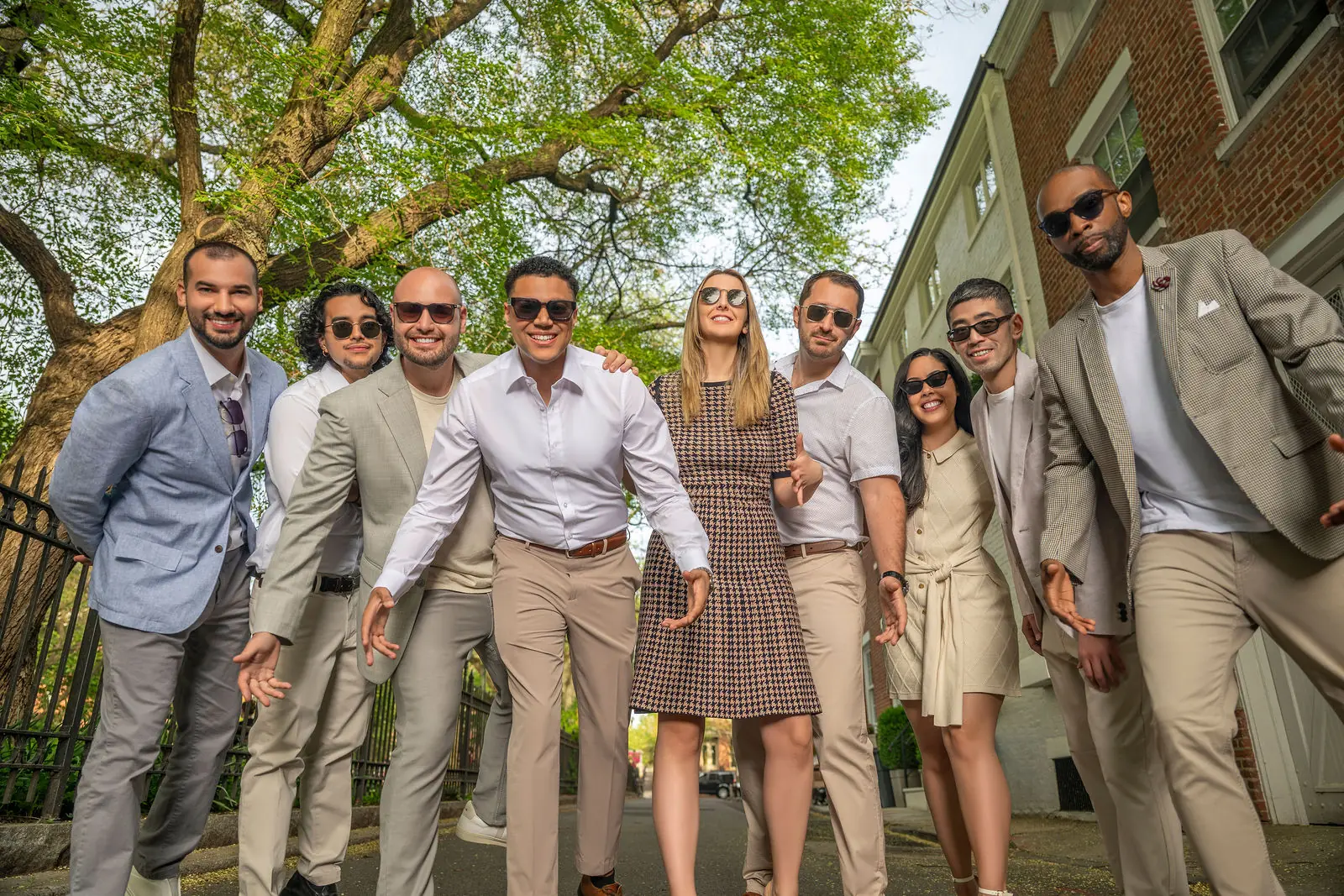
Two hosts and eleven guests across four studio days in 2025.

PODCAST PRODUCTION / REAL ESTATE MEDIA
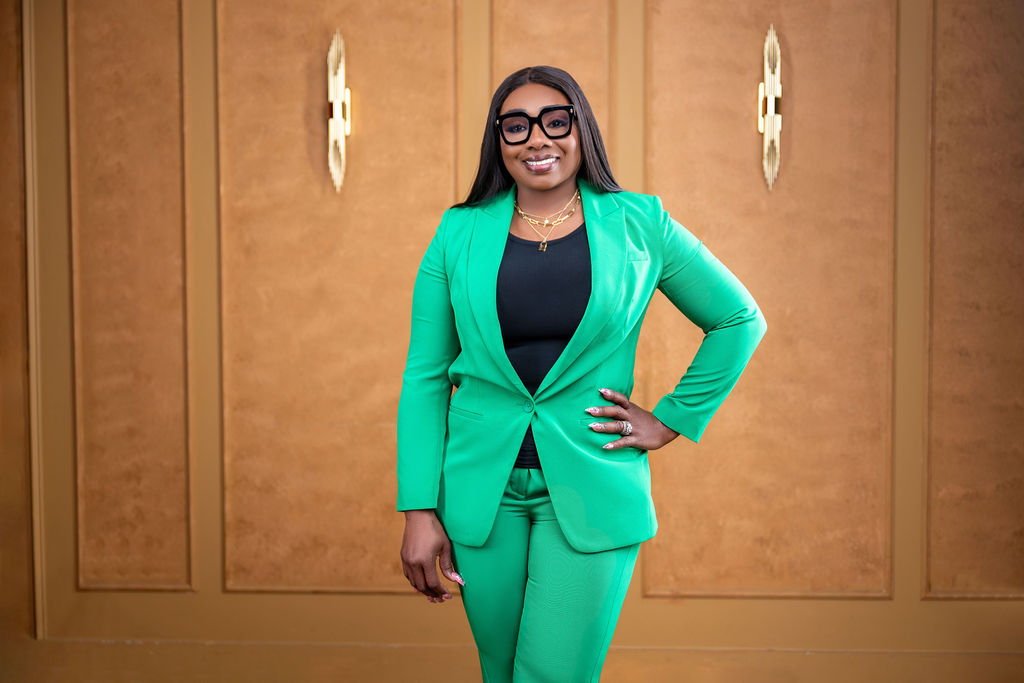
Real estate attorney Taliya Bashani and title executive Carina Tom wanted a podcast that matched their standing in New York real estate. JFP Studios planned and produced 12 episodes in four studio days, then turned them into 17 short clips.
At a glance
The challenge
Producing a Full Season With No Room for a Bad Take
What we did
From Pre-Production to Short-Form Clips
The result
A Full Season on Camera, and Relationships That Lasted
01 / THE BUSINESS CONTEXT
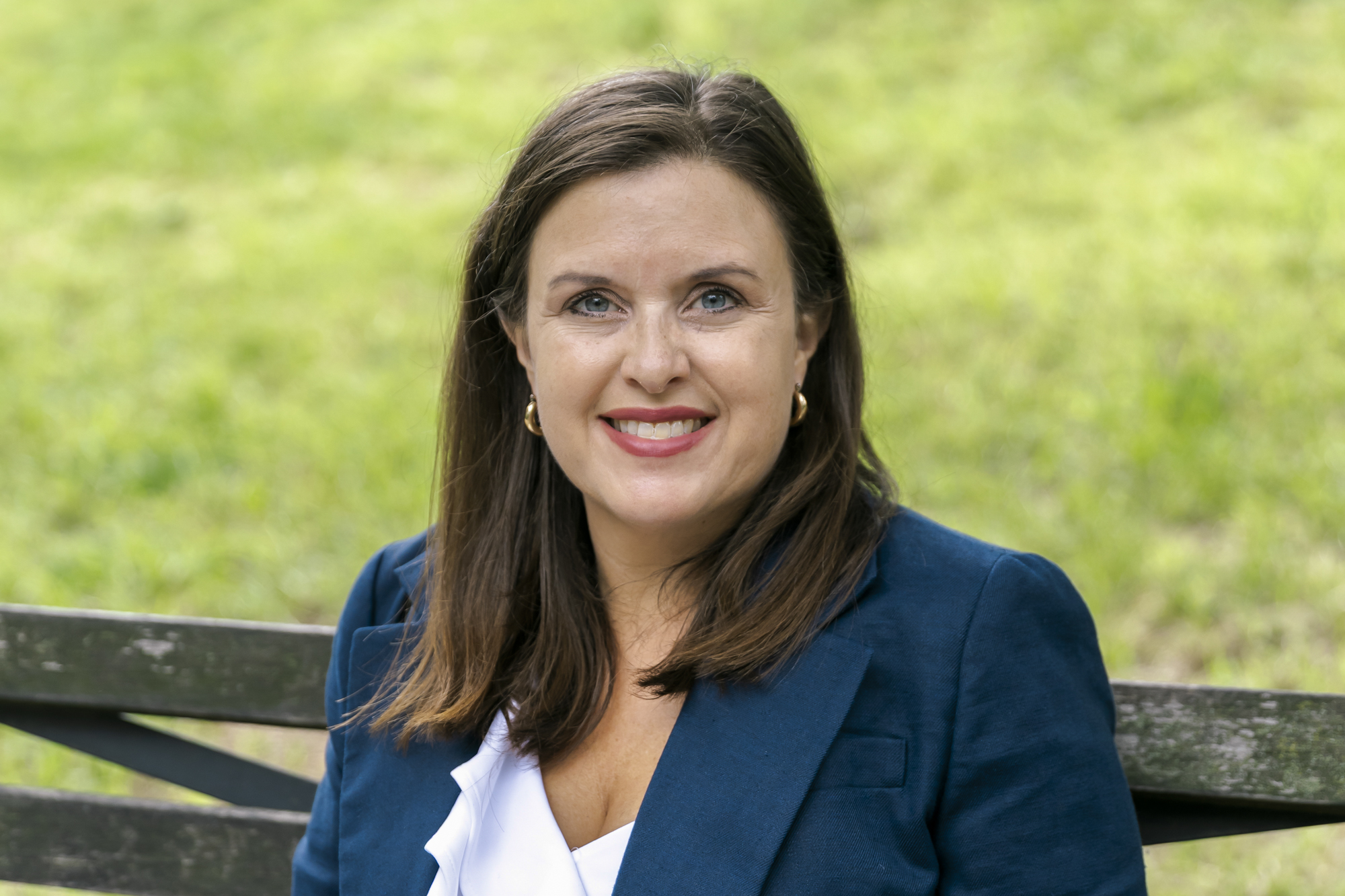
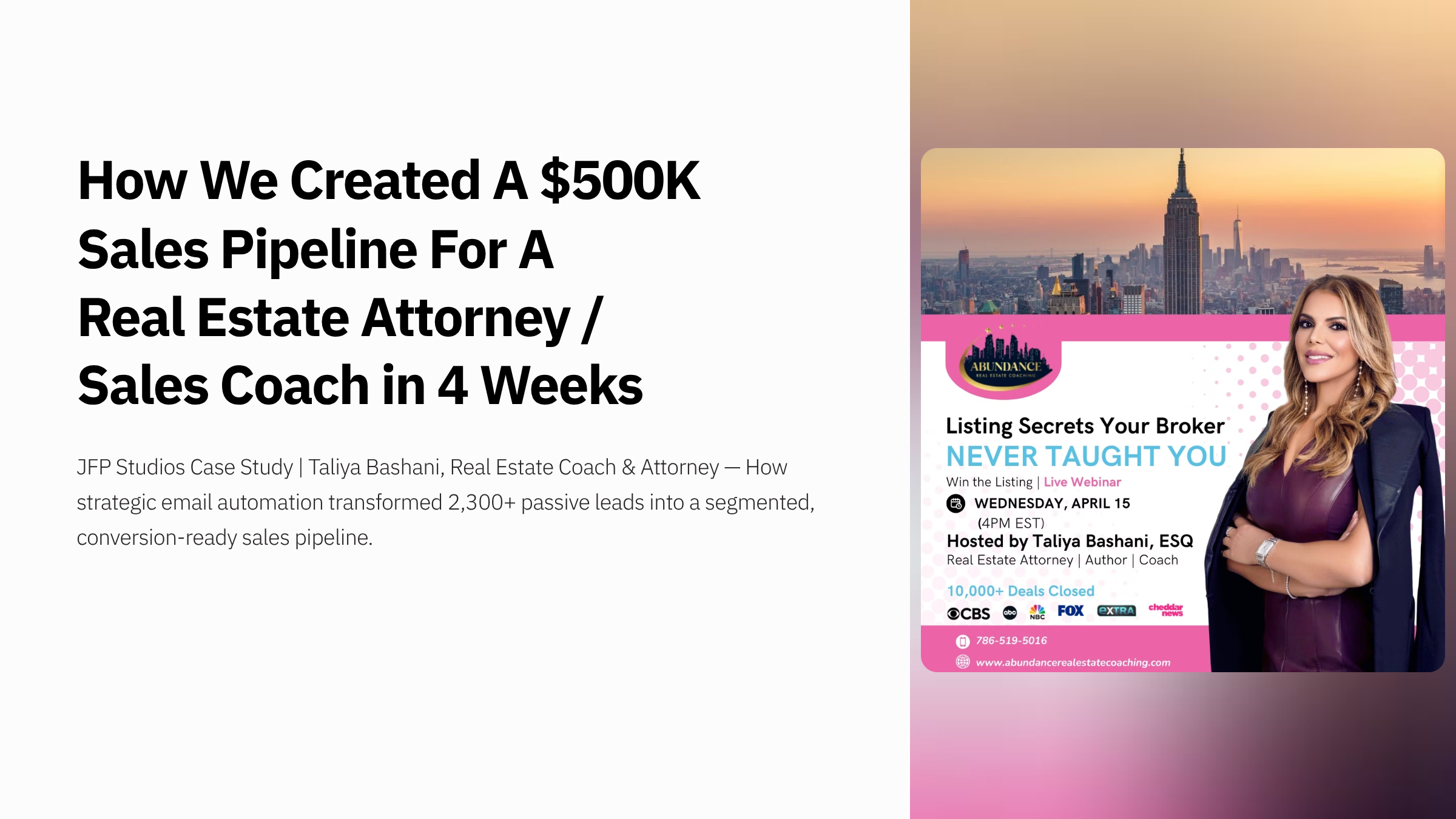
Taliya Bashani is a New York real estate attorney and the founder of TAB Law Firm. Carina Tom is the president of Nu World Title and has worked in title insurance for about 30 years. Both of their businesses run on deals that agents send them.
In 2025, they teamed up to launch The Dominate Real Estate Podcast. The show had three goals:
Most guests were the hosts’ own clients and partners. So the show had to look as polished as the people on it, and every recording had to make a guest feel proud to share it.
02 / THE CHALLENGE
Twelve episodes, two hosts, eleven guests, and one hotel studio. The hosts’ own team would edit the full episodes, so the footage had to be right the first time.
THE CHALLENGE IN BRIEF
Our role covered planning, production, and post-production support, from the first site visit to the last short clip.
03 / THE CREATIVE RESPONSE
We ran the podcast as a production system. We planned before the first shoot, fixed problems between shoots, and gave the editors everything they needed to finish the work.
WHAT WE DID / KEY DECISIONS
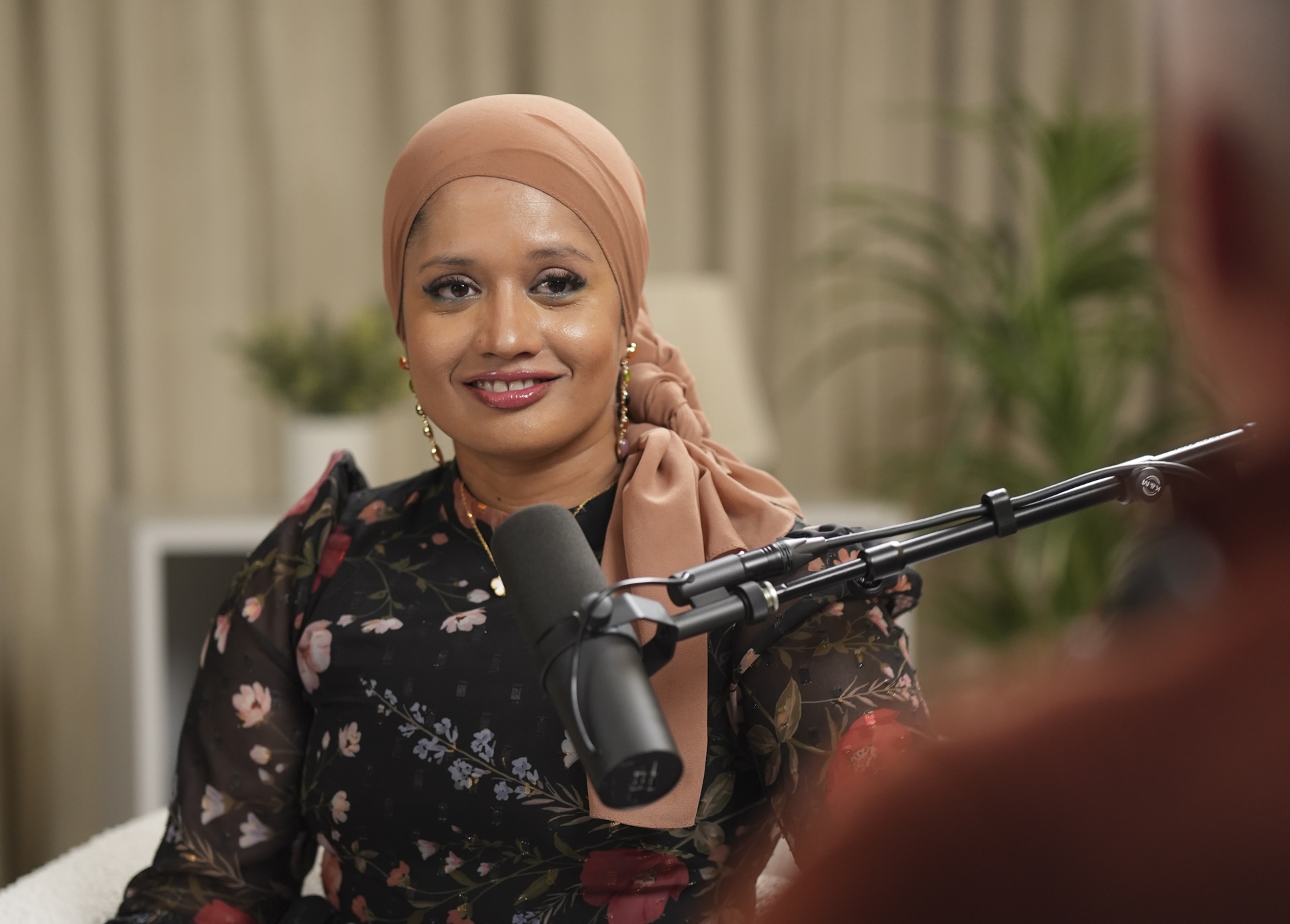
We met with Taliya and Carina on April 28, 2025 to plan how the show should look and feel. They wanted a relaxed conversation, with the guest seated between the two hosts. Together we agreed on:
On May 12, we visited the Audacy Room at the Hard Rock Hotel in Times Square. We tested lights and camera angles there before the first shoot.
The show recorded on May 19 and 20, and June 4 and 5, 2025. A five-person crew ran each day: a producer, a video and lighting lead, a lighting and sound technician, and two production assistants who also shot behind-the-scenes photos.
Season one featured these guests:
For the hosts-only episode, we wrote the question guide. It covered how each host got started and why each one built her own company.
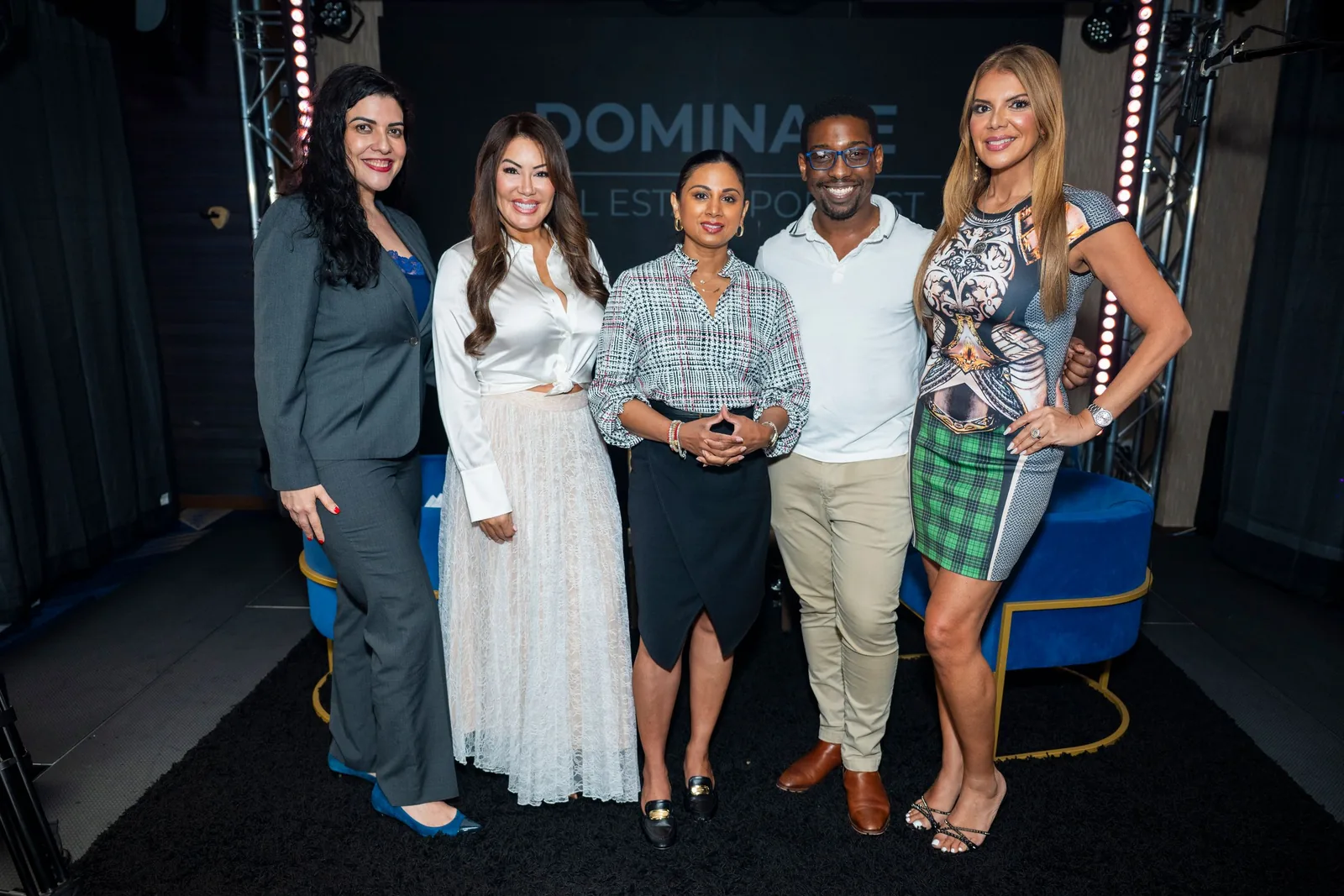
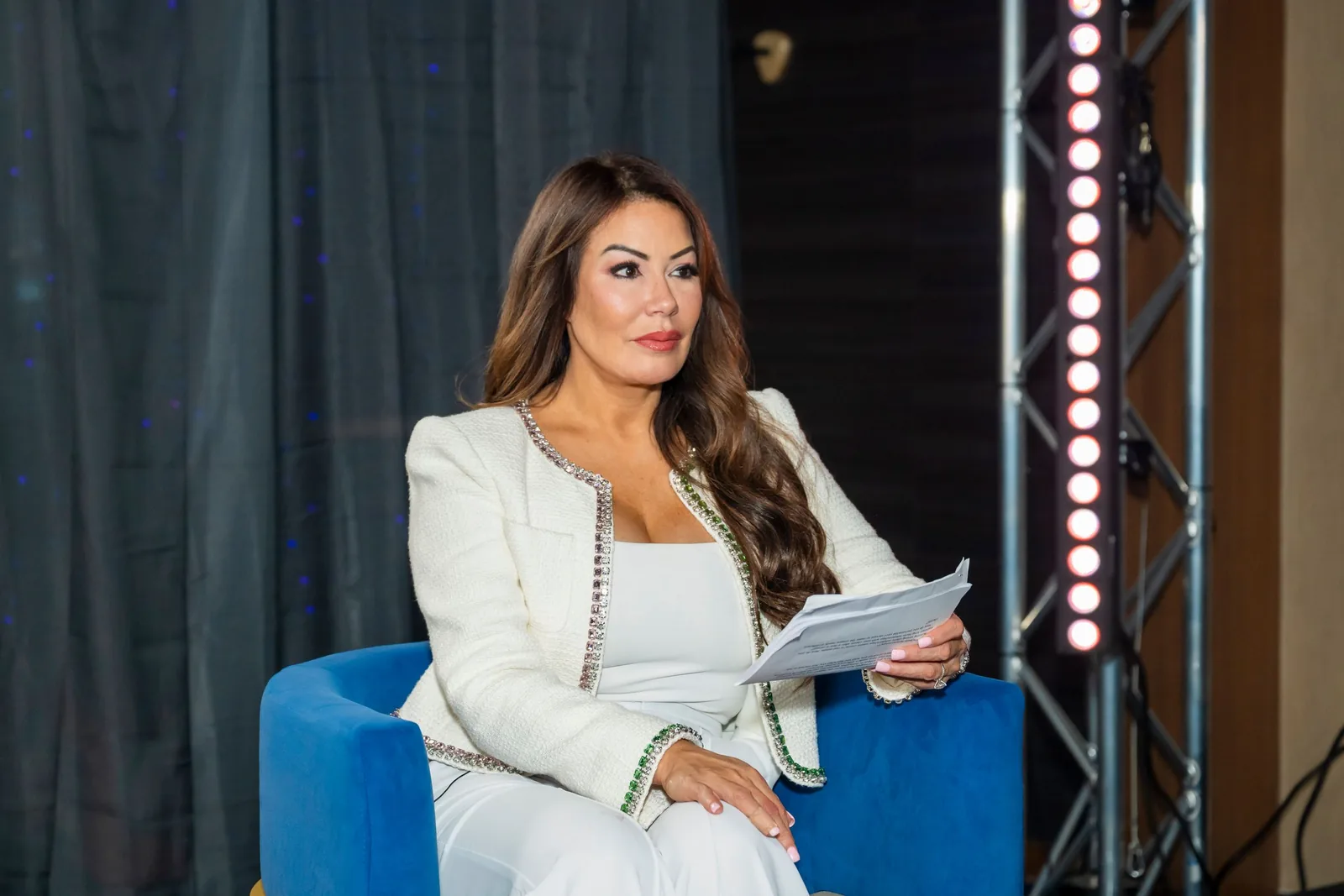
Live production always brings surprises. Here are the biggest ones and how we handled them:
We also met with the hosts after each block of recording. We shared notes on guest research, question prep, and wardrobe tips for guests. Each round made the next episodes stronger.
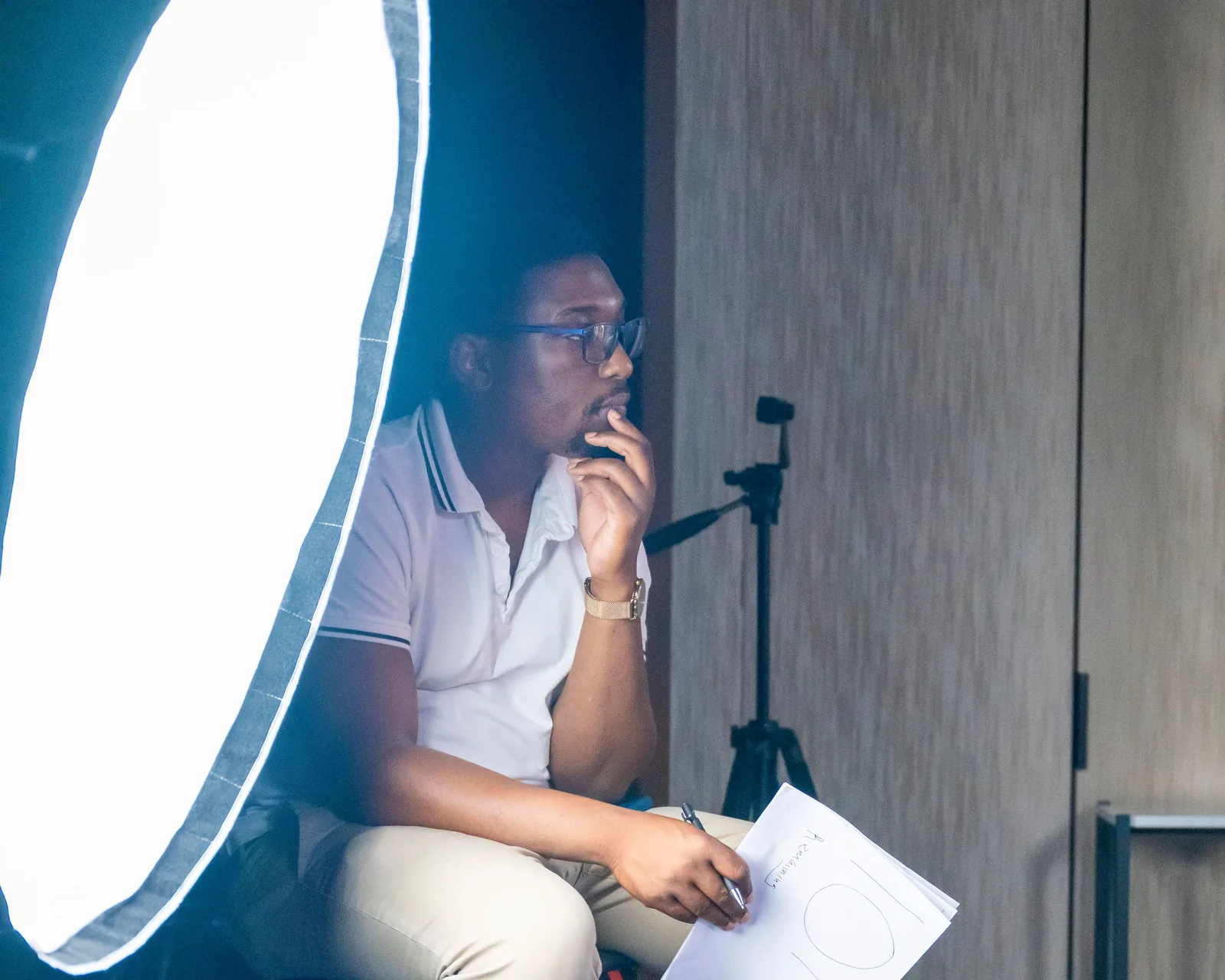
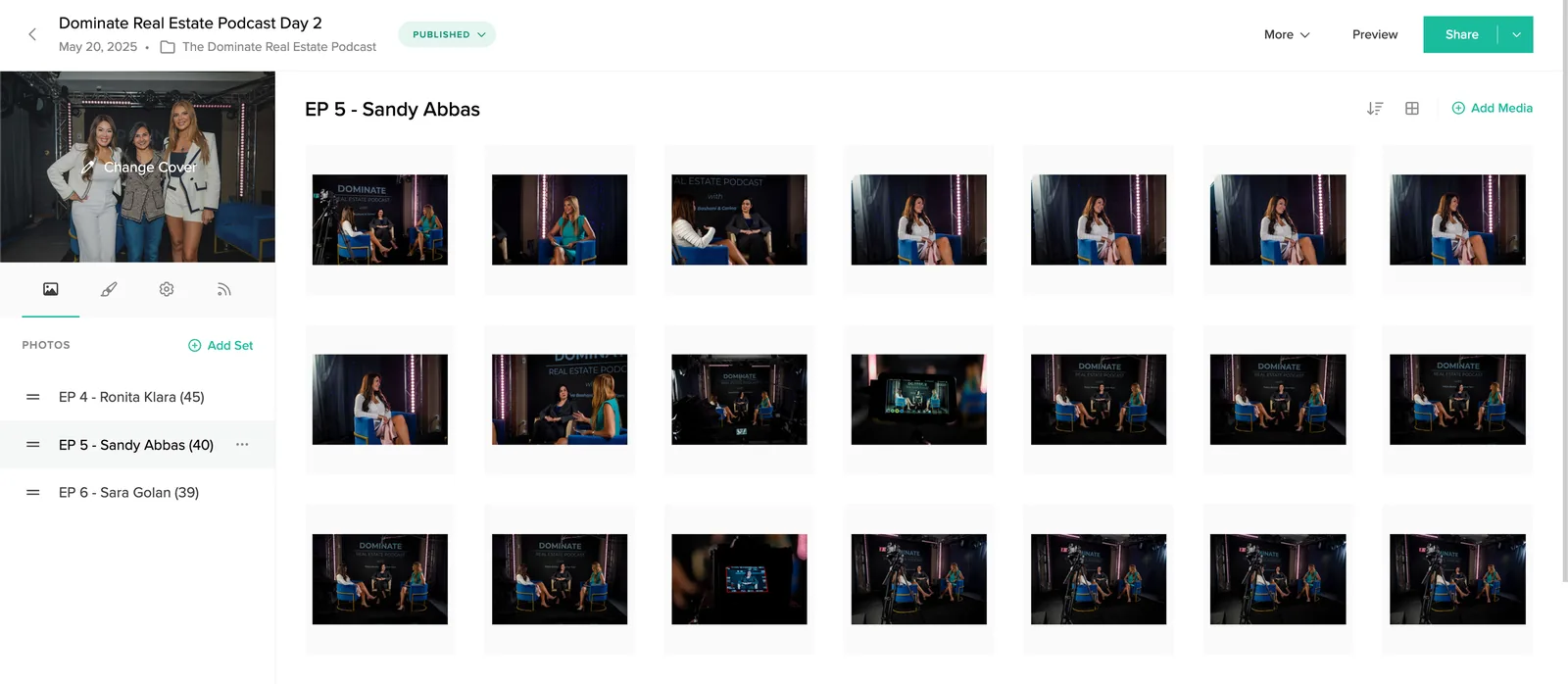
The hosts’ own team edited the full episodes, so our handoff had to be easy to pick up. Within five business days of each shoot, we delivered:
In August 2025, our video lead joined a color review with the client’s editor. He showed how to convert and grade the footage so the finished episodes matched the look of the set.
Short clips help each episode travel on social media. We cut 17 vertical reels from 11 episodes and delivered them between September 3 and 8, 2025. Taliya picked the focus for each reel in a shared review sheet. Some examples:
We also drafted bonus reels from the hosts-only episode, built around each host’s story and what sets her apart.
THE BRAND PLATFORM / STRATEGY & IDENTITY
05 / THE RESULTS
Two hosts and eleven guests across four studio days in 2025.
Vertical clips delivered September 3 to 8, 2025.
Labeled footage, synced audio, and color guidance after each shoot.
The client’s editing team cut the full episodes and published them on the show’s YouTube channel.
The podcast also led to new work and new relationships:
A podcast built around your clients is also a relationship tool. Guests get a reason to say yes, something to share, and a reason to stay in touch. Strong production protects those relationships, because every guest sees how they look on camera.
The producer plans the set, schedule, and crew, then runs the day and solves problems as they come up. On this show, that also meant guest flow, host prep, and the handoff to the editors.
Yes. We deliver labeled footage, synced audio, and color notes. We can also meet with your editor to walk through the files.
Plan for about four to six weeks. That leaves time for a planning meeting, a site visit, and a camera test before the first recording.
Log footage keeps more detail in bright and dark areas. It looks flat at first, and it gives editors more control over the final color.
Results describe production deliverables. Audience growth and revenue impact were not measured.
LET'S BUILD AROUND YOUR NEXT OBJECTIVE
We plan, produce, and package podcast seasons for professionals whose guests are also their best relationships. Let’s map out your first season.
Book a strategy call